
You built the prototype.We build the product.
Bolt, Lovable, v0, Replit, Claude. You got further than most funded teams get in a quarter. The last stretch is a different job, and it is the job we do. Fixed price, one to three weeks, you own everything.
Fixed quote within 48 hours. No call required.
Wherever you built it
The wall
The demo was the easy part.
Production is the wall.
Auth sort of works, until two people sign up with the same email and everything falls over.
Every new prompt fixes one thing and quietly breaks two others.
The data model made sense for the demo. Real users need accounts, roles, and history it can't hold.
You would not want a security person looking at how it stores keys and passwords.
The tool has been looping on the same bug for a week. So have you.
You have stopped adding features because you are scared of what each change will break.
None of this means you failed. It means the tool did its job and ran out of road. Getting a working prototype in front of real people is further than most companies get with a full team. What comes next is just a different discipline.
The approach
We don't finish it.
We rebuild it. That's faster.
Your prototype is the spec
Every screen, flow, and product decision already exists because you made it. That is worth more than a 40-page requirements document, and it is why we skip discovery entirely. Agencies charge weeks for what you have already answered.
Demo code can't grow up
AI builders optimise for speed to demo, not for production. Auth, data models, security, and scale are bolted on after, and they fight you. Finishing inside the tool means fighting the tool. That fight is why you are here.
Rebuilding is faster than untangling
A clean build on a boring, proven stack, with your prototype open on the second screen as the reference. One to three weeks. Real auth, real database, tested, deployed. You own the repo and every account.
How it works
Three steps. No discovery phase.
Send the link
Your prototype URL or repo, plus a few lines on what it should do. Within 48 hours you get a fixed quote and an honest read on what you have built, including anything worth keeping.
We rebuild it properly
One to three weeks on production rails. Real authentication, a data model built for growth, security done right, deployed and tested. You see progress as it ships, not at the end.
You own everything
The repo, the infrastructure, the accounts, the docs. No retainer trap, no lock-in. If you want support after launch, that exists, but it is optional and it is your call.
Who builds it
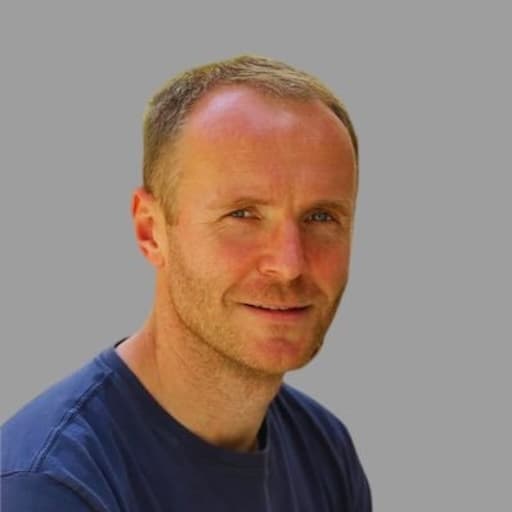
Paul Gosnell. Twenty years shipping product. AI-native since 2024.
Serial entrepreneur and ex-IBM iX. Over a thousand products shipped across fintech, healthtech, travel, and AI. Most of the founders who come to p0stman arrive exactly where you are now: a working prototype, a clear vision, and a wall.
They are usually the best clients we have. They know their product cold, they have already made the hard decisions, and they do not need convincing that it can exist. They just need it built properly.
Proof
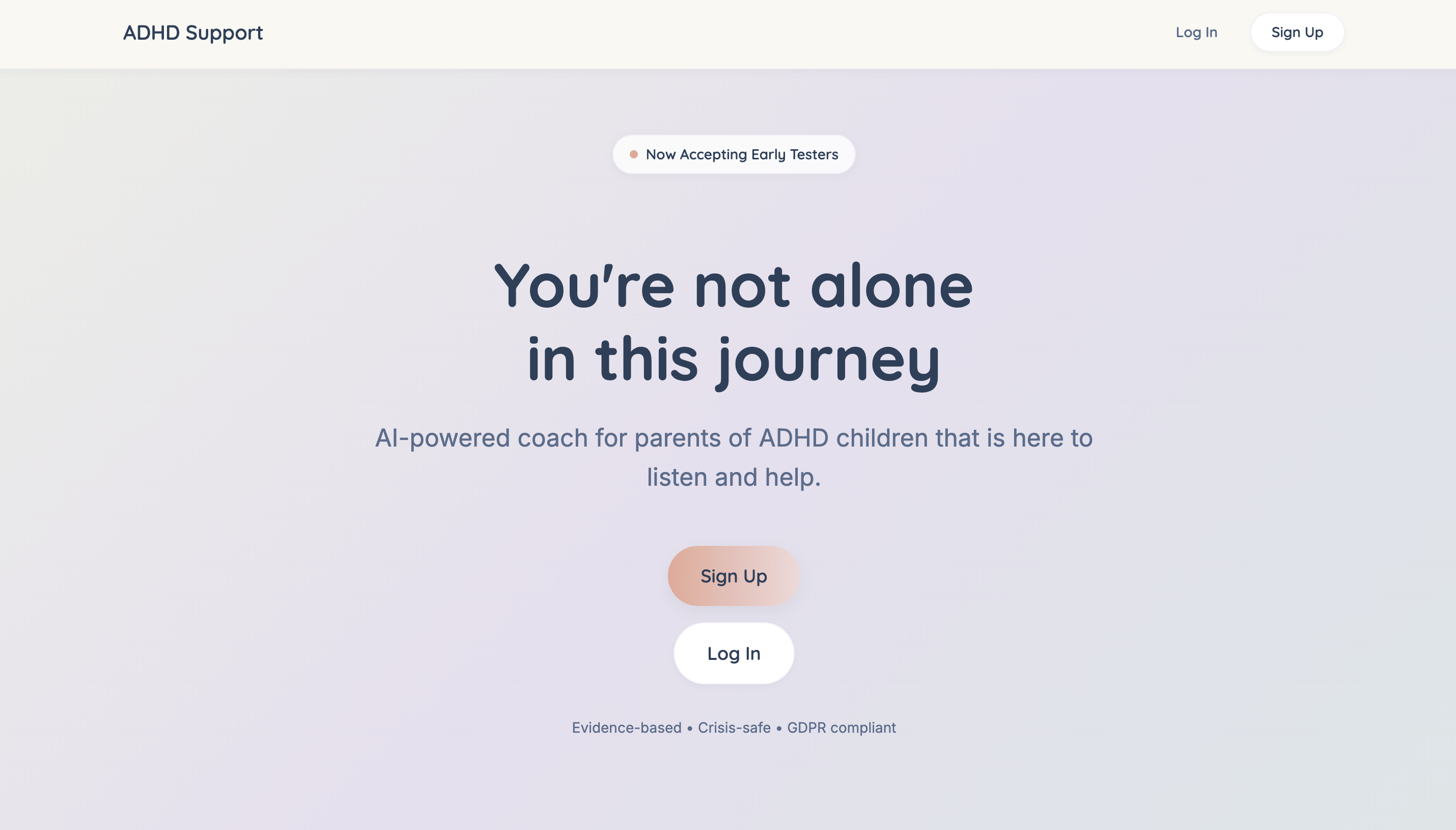
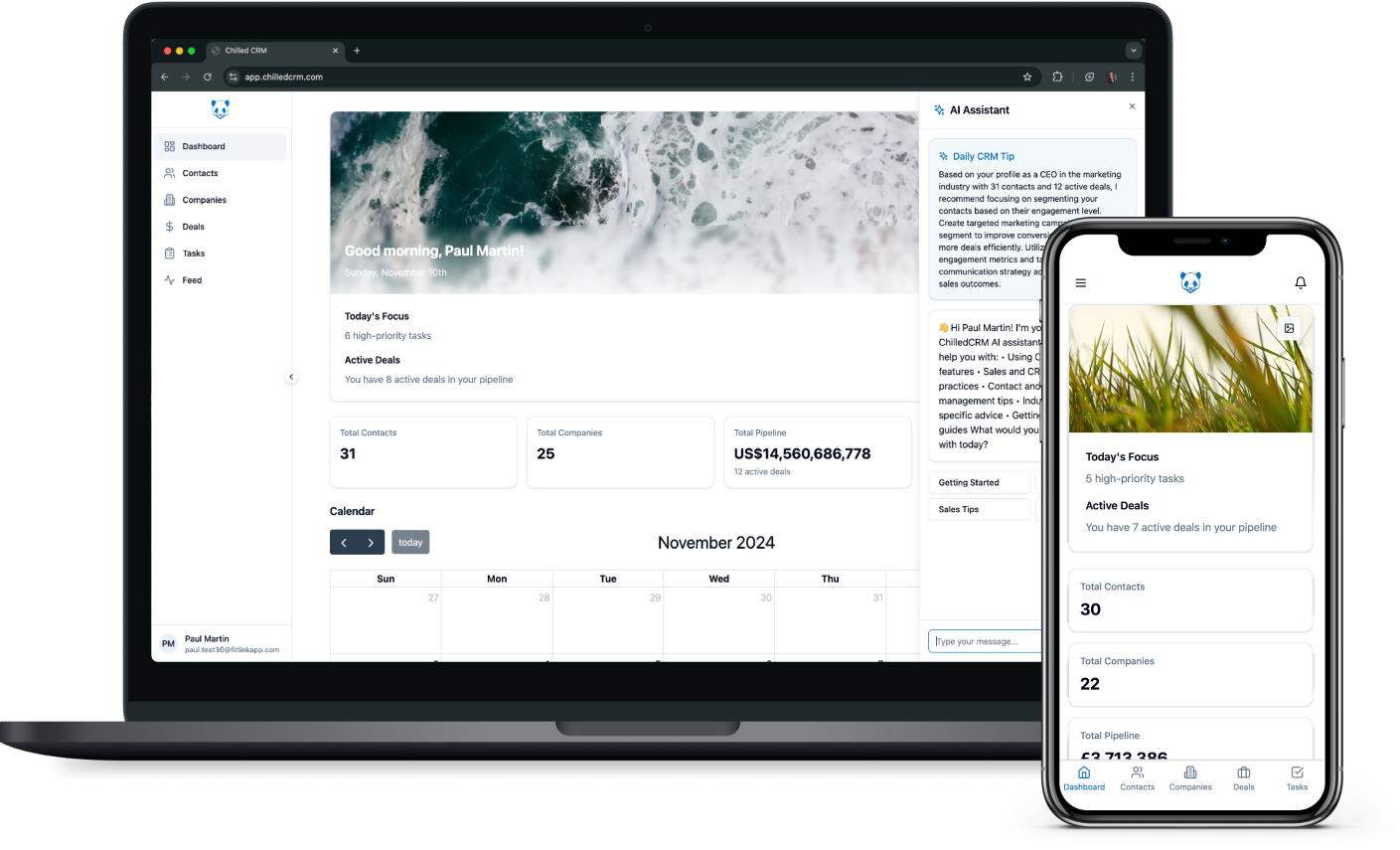
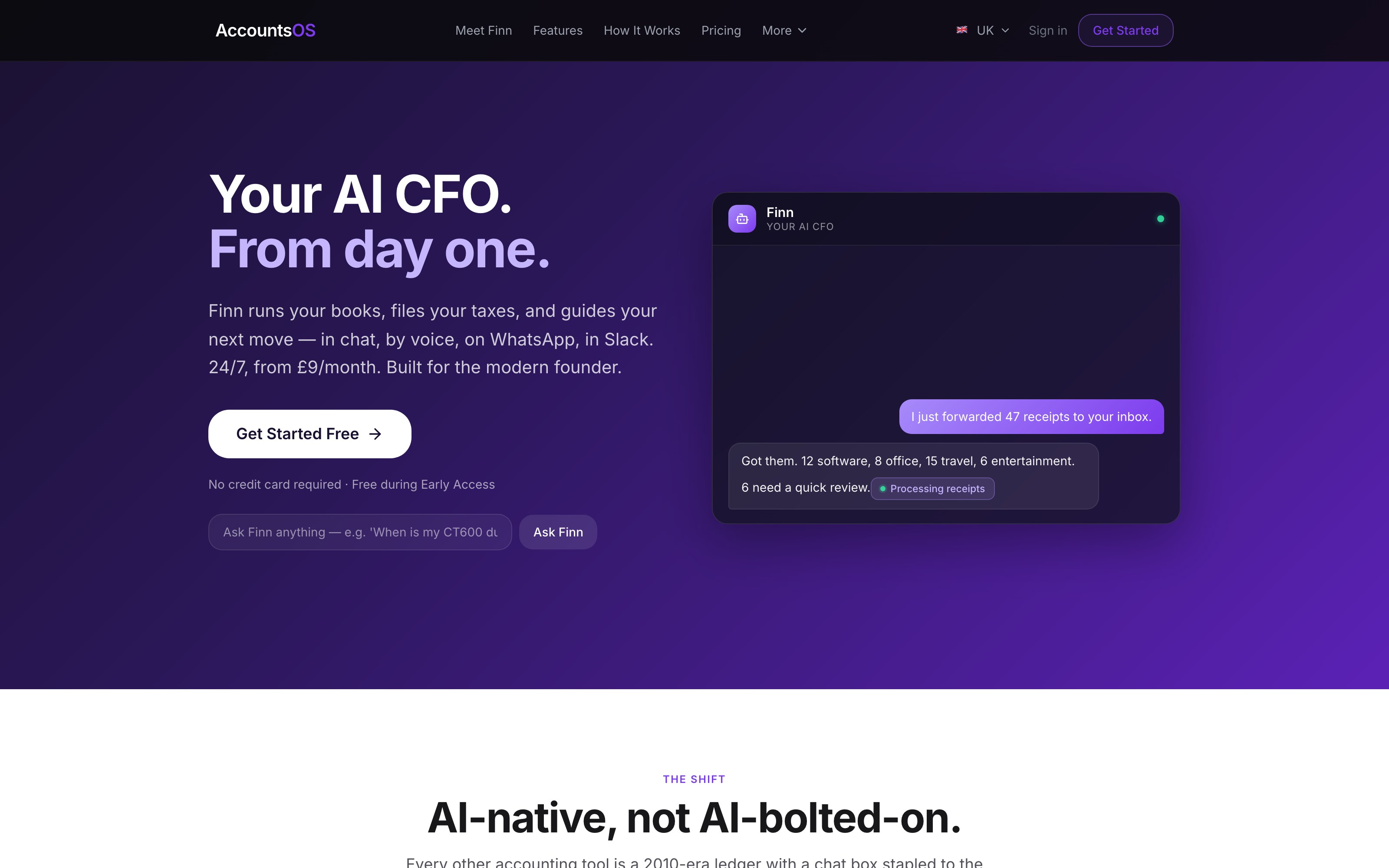
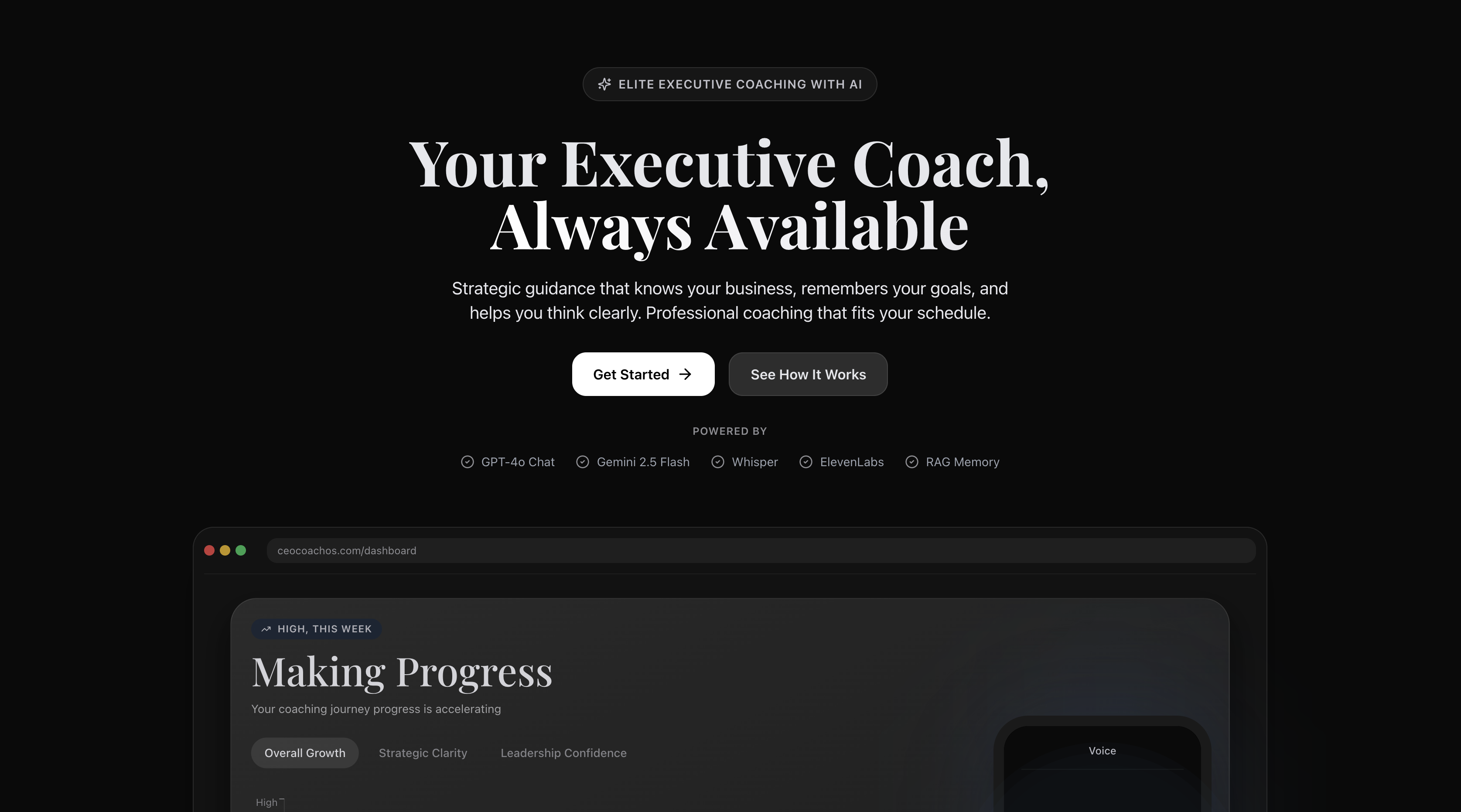
Built this way. Live in production.
Your options
Honest numbers. No spin.
| Option | Cost | What happens | Gets you live? |
|---|---|---|---|
| Keep prompting the tool | £20-100/month | Weeks of loops, no ceiling broken | You already know |
| Freelancer patches it in-tool | £1-3k | Inherits every problem | Fighting the tool |
| Agency builds from scratch | £30-100k | 8-16 weeks, starts with discovery | Re-derives your prototype |
| p0stman rebuild | From £5k, fixed | 1-3 weeks | Your prototype is the spec |
Frequently asked
Common questions.
Sometimes, if it is small and close. But in most cases untangling generated code costs more than rebuilding on a clean stack, and you still end up with the tool's ceilings. We will tell you which case yours is in the 48-hour review, honestly. If a patch is genuinely the right answer, that is what we will say.
Send the link.
Fixed quote within 48 hours. Worst case, you get an honest technical read on what you have built, and you will know exactly where you stand.